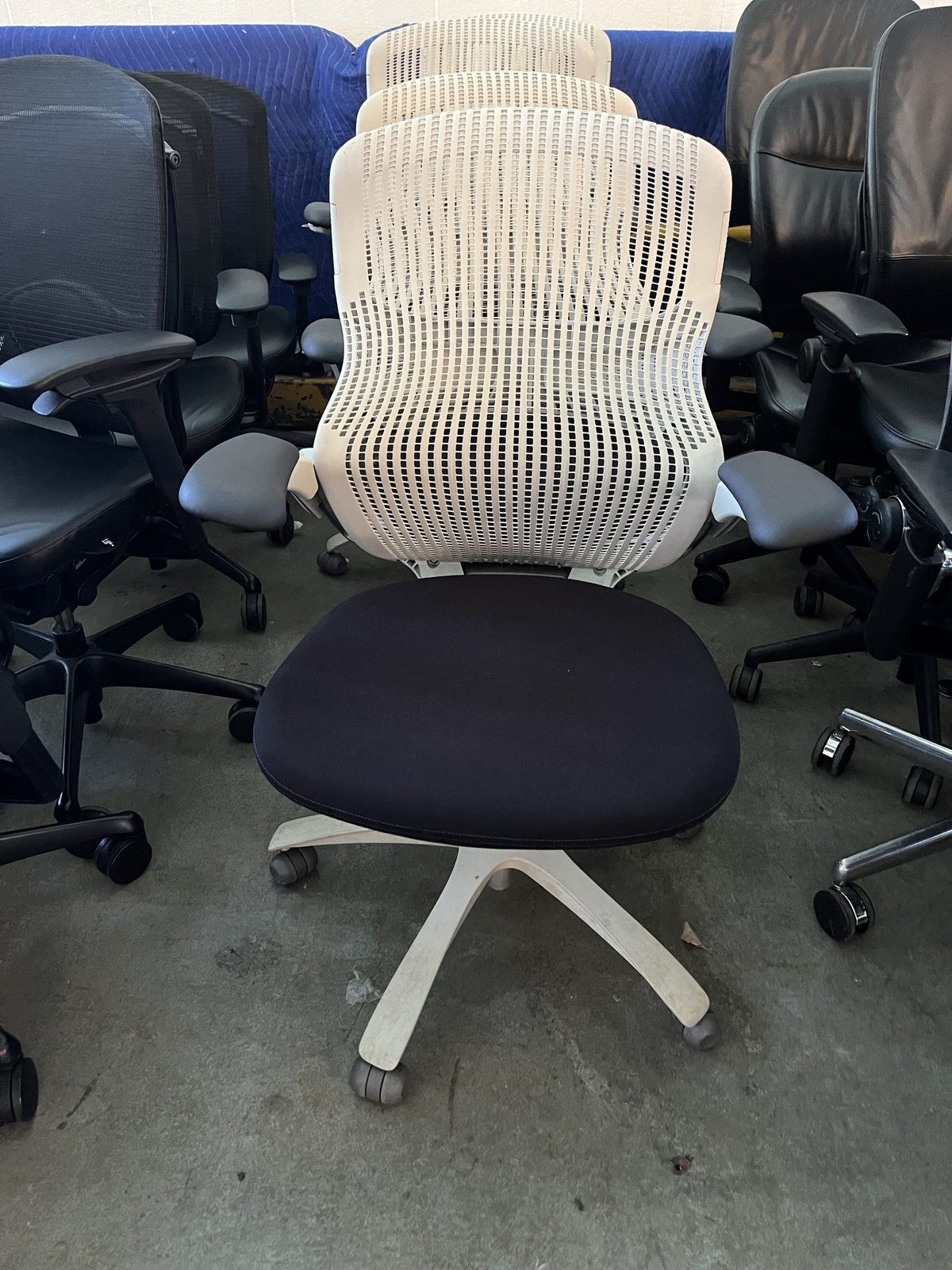
The world of ergonomic office chairs can feel like a labyrinth of features, claims, and often, high price tags. But what if a chair could simplify things, embracing your natural movement instead of forcing you into a rigid, "perfect" posture? That's the core promise behind the Knoll Generation chair, and as we delve into Knoll Generation chair reviews, comfort, and user experience, you'll find it delivers a truly unique sitting experience.
It’s a chair designed not just to hold you, but to move with you, challenging the very notion of what ergonomic support means. Is this "less is more" approach a stroke of genius or a step too far? Let's unpack what makes the Generation a standout, how it truly feels to sit in day after day, and how it stacks up against the titans of the ergonomic world.
At a Glance: The Knoll Generation Experience
- Design Philosophy: Focuses on intuitive movement and flexibility, encouraging varied postures ("active sitting").
- Key Comfort Feature: Flex Back Net, a high-performance elastomer that dynamically conforms to your spine.
- Movement Support: Dynamic Suspension for fluid recline, perimeter flex for leaning and stretching.
- Adjustments: Seat height, seat depth, tilt tension, and highly adjustable armrests.
- Aesthetics: Modern, clean, with vibrant color options.
- Sustainability: Made with recycled content, designed for easy disassembly and recycling.
- Ideal User: Those who enjoy moving frequently, prefer intuitive adaptation over numerous manual controls, and value flexibility.
Beyond the Desk: What Makes the Knoll Generation Tick?
When Formway Design created the Generation for Knoll, they weren't just building another office chair; they were rethinking how we interact with our workspace. Their premise was simple yet profound: people don't sit still, so why should a chair force them to? The result is a chair that champions "active sitting," allowing you to shift, stretch, and even lean sideways without feeling restricted.
The "Less Is More" Philosophy: Active Sitting Unleashed
Traditional ergonomic chairs often aim to lock you into a single, "ideal" posture, often requiring a manual adjustment for every subtle change. The Generation flips this script. It adopts a "less is more" approach to manual adjustments, instead embedding flexibility directly into its structure. This means the chair intuitively responds to your body's natural impulses, supporting a wide range of postures, from upright focus to relaxed recline, even perching on the edge or twisting to talk to a colleague. It's about empowering your body to move, not containing it.
Engineering Movement: Key Features for Dynamic Support
The secret sauce of the Generation chair lies in a few key, innovative components that work in concert:
- The Flex Back Net: This isn't your typical mesh. Made from a high-performance elastomer, the Flex Back Net is designed to move like a living hinge. It molds to your unique spine curvature, providing adaptive support, but crucially, it also allows for unrestricted twisting and turning. Imagine a hammock that cradles you perfectly, yet lets you easily shift your weight and change your orientation.
- Dynamic Suspension: This advanced mechanism is the engine behind the chair's fluid recline and tilt. It ensures a smooth, consistent experience as you lean back, supporting your weight evenly through the full range of motion without feeling like you're falling backward or fighting against a spring.
- Perimeter Flex: Look closely at the backrest, and you'll notice it's not rigid. The top edge of the Flex Back Net boasts a "perimeter flex," allowing it to bend and give when you lean into it, whether you're stretching sideways or casually resting an arm over the top. This seemingly small detail significantly enhances the chair's adaptability and comfort for varied postures.
These features collectively give the Generation its signature "torsional flex" in the back, ensuring you never feel rigidly locked into place.
Design and Sustainability: More Than Just Good Looks
Beyond its functional brilliance, the Knoll Generation chair also boasts a clean, modern aesthetic that fits seamlessly into contemporary offices and home workspaces alike. Its minimalist lines and available vibrant color options make it a stylish statement piece. But its appeal goes deeper than surface beauty. Knoll has a strong commitment to sustainability, and the Generation reflects this. It's often made with recycled content and engineered for easy disassembly and recycling at the end of its long life, making it a responsible choice for the eco-conscious consumer. To learn more about this innovative piece of furniture, you can explore the dedicated Knoll Generation chair information.
Sitting in Judgment: Real-World Comfort and User Experience
So, how do these clever design principles translate into actual sitting comfort? The answer, for many, is refreshingly different.
The Initial Impression: A Different Feel
When you first sit in a Knoll Generation, especially if you're coming from a more traditional office chair, it might feel a bit... yielding. It's not a firm, rigid embrace. Instead, you'll immediately notice the give of the Flex Back Net, subtly conforming to your lower back. The seat cushion is supportive but not overly plush, balancing comfort with the encouragement to move. This initial sensation is crucial: if you expect a stiff, fixed support, you might be surprised, but those open to its dynamic nature often find it incredibly comfortable.
Adaptability in Action: How It Supports Various Postures
Where the Generation truly shines is in its ability to support your body through a myriad of positions throughout the day. Need to lean forward and focus? The chair lets you. Want to recline and stretch? The Dynamic Suspension makes it effortless. Even perching on the side or twisting 90 degrees to chat with a colleague feels natural because the perimeter flex and torsional movement of the back embrace these shifts. This isn't just about allowing you to move; it's about encouraging it, which is central to the concept of active sitting and its health benefits. Users consistently report feeling less stiff and more engaged after long periods because they're not locked into one position.
Mastering the Basics: Adjustments You Actually Use
While the Generation prides itself on intuitive, automatic adaptation, it still offers the essential manual adjustments you need to tailor it to your frame:
- Seat Height: The standard gas lift allows you to find the perfect height for your desk setup, ensuring your feet are flat on the floor or comfortably supported by a footrest.
- Seat Depth: This is critical for thigh support and preventing pressure points. Adjusting the seat forward or backward helps you maintain proper circulation and posture, especially for taller or shorter users.
- Tilt Tension: You can easily dial in how much resistance you feel when reclining, from a loose, free-flowing rock to a firmer pushback that requires more effort.
- Armrests: The armrests are highly adjustable, moving up and down to support your forearms and pivoting inward or outward to accommodate different tasks, like typing or using a mouse. This range of motion helps reduce strain on your shoulders and neck.
These core adjustments, combined with the chair's inherent flexibility, provide a comfortable and personalized experience without overwhelming you with levers and knobs.
Who Flourishes in the Generation?
The Knoll Generation chair isn't for everyone, and that's okay. It particularly resonates with:
- Dynamic Sitters: If you're someone who fidgets, shifts, stretches, and rarely stays in one position for long, this chair is your ally.
- Creative Thinkers: For those whose work involves movement and collaboration, the chair's ability to facilitate quick shifts in posture and interaction is invaluable.
- Modern Workspace Enthusiasts: Its aesthetic perfectly complements contemporary office environments.
- Individuals Seeking Intuitive Support: If you prefer a chair that adapts to you rather than one you constantly have to adjust, the Generation's design philosophy will appeal.
A Head-to-Head Battle: Knoll Generation vs. The Ergonomic Titans
Understanding the Generation often means comparing it to its equally acclaimed (and pricey) competitors. Each has a distinct philosophy, catering to different preferences.
Versus Herman Miller Aeron: Precision vs. Fluidity
The Herman Miller Aeron, designed by Bill Stumpf and Don Chadwick, is an icon for a reason. It's built for precise, supportive ergonomics, promoting a traditional, upright posture.
- Aeron's Approach: Features like PostureFit SL provide targeted sacral and lumbar support, while the Pellicle mesh offers a firm, taut feel, distributing weight evenly across its surface. It offers extensive manual adjustments for tilt, tension, limiter, seat angle, arm height, and lumbar support.
- Generation's Contrast: Where the Aeron offers firm, consistent support and precise manual control, the Generation prioritizes inherent flexibility. Its Flex Back Net provides a softer, more yielding feel, encouraging dynamic movement rather than locking you into a single optimal position. You interact with the Aeron through its levers; you interact with the Generation through movement.
Versus Steelcase Gesture: Dynamic Arms, Dynamic Back
The Steelcase Gesture emerged from a study of how people sit with various devices. It's known for supporting a wide range of postures, particularly through its revolutionary 360-degree armrests.
- Gesture's Approach: The Gesture feels robust and highly engineered. Its armrests offer an unparalleled range of motion, allowing you to comfortably support your arms whether you're typing, swiping on a tablet, or holding a phone. Its flexible backrest also adapts well to different sitting positions.
- Generation's Contrast: Both chairs aim for active sitting. The Gesture achieves this through its highly articulated and deliberately adjustable components (especially the arms). The Generation, on the other hand, achieves similar goals through its overall structural flexibility, responding organically and fluidly to your movements without requiring conscious armrest manipulation for every device change.
Versus Haworth Zody: Targeted Support vs. Adaptive Flex
The Haworth Zody is often lauded for its precise ergonomic adjustments, particularly its patented asymmetrical lumbar support.
- Zody's Approach: The Zody excels in targeted support, allowing independent adjustment for each side of the lower back – a boon for those with specific back issues or imbalances. It presents a sleek, professional, and traditional aesthetic, often found in executive offices.
- Generation's Contrast: The Generation's lumbar support is integrated into its flexible back net, providing broad, adaptive support without specific, independent controls. While less precise for very specific back needs, its broad flexibility still adapts to most users. Aesthetically, the Generation leans more modern and playful, a stark contrast to the Zody's executive gravitas.
| Feature | Knoll Generation | Herman Miller Aeron | Steelcase Gesture | Haworth Zody |
| :------------------ | :--------------------------------------------- | :-------------------------------------------------- | :------------------------------------------------- | :----------------------------------------------- |
| Philosophy | Intuitive, dynamic movement ("active sitting") | Precise, controlled, traditional ergonomic posture | Supports diverse device-centric postures | Targeted, precise ergonomic control, especially lumbar |
| Back Support | Flex Back Net (yielding, adaptive, torsional flex) | Pellicle mesh (firm, taut, PostureFit SL) | Flexible back, supports wide range of postures | Asymmetrical lumbar support (precise, independent) |
| Feel | Soft, yielding, fluid, encourages movement | Firm, consistent, supportive, contained | Robust, highly engineered, deliberate adjustments | Refined, executive, precise |
| Armrests | Highly adjustable height & pivot | Adjustable height, angle, pivot | 360-degree range of motion (best-in-class) | Adjustable height, width, pivot |
| Adjustments | Basic: seat height, depth, tilt tension | Extensive manual adjustments | Robust, deliberate, intuitive | Highly specific, especially lumbar |
| Aesthetics | Modern, clean, vibrant | Iconic, professional, timeless | Modern, sophisticated, tech-focused | Sleek, professional, traditional |
Navigating Your Choice: What to Consider Before You Buy
Choosing an ergonomic chair is a significant decision, impacting your health, productivity, and bank account. Don't rush it.
Your Body, Your Rules: Personal Fit and Needs
No two bodies are exactly alike. What feels like heaven to one person might feel like purgatory to another.
- Height and Weight: Consider your dimensions. Some chairs, like the Aeron, come in different sizes (A, B, C) to accommodate various body types. The Generation is generally quite adaptable but specific dimensions are always good to check.
- Specific Pain Points: Do you have chronic lower back pain, shoulder issues, or hip discomfort? If so, chairs with highly targeted support, like the Zody's asymmetrical lumbar, might be more beneficial than the Generation's broader, adaptive support.
- Previous Chair Experience: Reflect on what you liked and disliked about past chairs. Did you feel too restricted? Did you crave more support in certain areas?
Your Work, Your Motion: Activity Levels and Postures
Think about your typical workday.
- Dynamic Work Style: If your job involves frequent shifts between tasks, collaboration, or using multiple devices, a chair that encourages movement, like the Knoll Generation or Steelcase Gesture, could be a game-changer.
- Focused, Upright Work: If you spend most of your day in a single, focused, upright posture, a chair like the Herman Miller Aeron, with its precise support, might be your preferred choice.
- Breaks and Movement: Remember that even in the best ergonomic chair, regular breaks and movement away from your desk are crucial for long-term health.
The Investment: Budget, Warranty, and Long-Term Value
High-end ergonomic chairs are undoubtedly an investment, but they're an investment in your well-being and productivity.
- Budget: These chairs are premium products with prices to match. While it's a significant upfront cost, consider it an investment in your health and long-term comfort.
- Warranty: Always check the warranty. Reputable brands like Knoll, Herman Miller, and Steelcase offer generous warranties (often 10-12 years) that cover most components, indicating confidence in their product's durability. This significantly contributes to the chair's long-term value.
- Durability and Parts: These chairs are built to last. Research suggests they maintain their comfort and function for many years, and parts are generally available for repair.
Unpacking Common Questions About the Generation
Let's tackle some frequently asked questions that pop up in Knoll Generation chair reviews.
"Is it truly comfortable for long hours?"
Yes, for most users who embrace its dynamic philosophy. The comfort of the Generation isn't about being perfectly still; it's about the freedom to move and change positions without restriction. Many users report feeling less fatigued and more active even after 8+ hours because their body isn't locked into a single posture. However, if you prefer a very firm, contained feeling, it might take some adjustment.
"Does it offer enough lumbar support?"
The Generation's lumbar support is integrated into its Flex Back Net. It's adaptive and broad, conforming to your spine's natural curve rather than providing a rigid, adjustable pad. For most users, this dynamic support is excellent. However, if you have specific, severe lumbar issues requiring a highly localized or asymmetrical adjustment (like the Zody offers), you might find the Generation's integrated support less targeted. It supports, but it doesn't "push" in a specific spot.
"Is it worth the price?"
For those who value active sitting, intuitive flexibility, and a modern aesthetic, many users wholeheartedly agree it's worth the investment. The chair's durability, sustainability, and unique approach to ergonomics offer long-term value. Like any premium ergonomic chair, the price reflects extensive research, high-quality materials, and innovative engineering.
"How does it handle different body types?"
The Generation is remarkably adaptable across a range of body types due to its inherent flexibility and basic adjustments like seat height and depth. While it doesn't come in multiple sizes like the Aeron, its forgiving backrest and dynamic movement generally accommodate diverse users well. Taller users appreciate the full back support, and shorter users can often find a comfortable seat depth.
Your Next Move: Making an Informed Decision
Choosing your ergonomic chair is a personal journey. The Knoll Generation offers a compelling, distinct alternative to more traditional, rigid seating. It's a chair that asks you to move, to be active, and in return, promises comfort and support that adapts to your natural impulses.
The Golden Rule: Try Before You Buy
This cannot be stressed enough. Specs and reviews are fantastic, but your body is the ultimate judge. If possible, find a showroom or a friend who owns a Knoll Generation. Sit in it for at least 15-30 minutes. Test all the adjustments. Lean, stretch, twist. Simulate your typical workday movements. Compare it with other chairs if you can. Your body will tell you what feels right.
Beyond the Hype: Detailed Specs and Warranties
Before committing, always review the detailed product specifications. Confirm the weight capacity, dimensions, and materials. Understand the warranty terms thoroughly—what's covered, for how long, and what the process is for claims. A robust warranty is a testament to the manufacturer's confidence in their product.
Embrace the Shift: Is Dynamic Sitting for You?
Ultimately, the Knoll Generation chair invites you to reconsider your relationship with your workspace. It's not just furniture; it's a philosophy. If you're tired of feeling constrained, if you believe movement is key to comfort and focus, and if you appreciate intuitive design over endless levers, then the Generation might just be the active, supportive partner your workday needs. It's a choice to embrace flexibility, comfort, and a genuinely unique user experience.