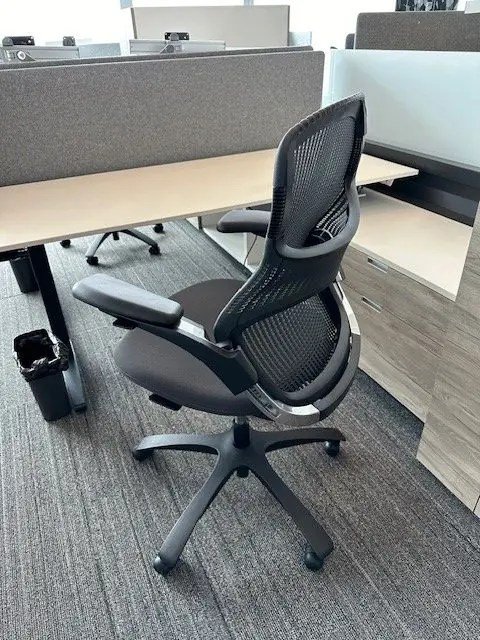
Choosing the right ergonomic office chair isn't just about comfort; it's about investing in your health, productivity, and overall well-being. But with so many premium contenders on the market, how do you decide which one truly fits your unique needs? Today, we're diving deep into the world of high-performance seating with a focused look at the Knoll Generation Chair Vs. Competitors: A Comparative Guide, unpacking how this distinctive chair stacks up against some of its most formidable rivals.
Forget the days of rigid, one-size-fits-all office furniture. Modern ergonomics acknowledges that the human body isn't meant to be static. The Knoll Generation chair, with its "elastic design" philosophy, champions intuitive movement and flexibility. But is its unique approach the right fit for you when weighed against the precision of a Herman Miller Aeron, the adaptable arms of a Steelcase Gesture, or the targeted support of a Haworth Zody? Let’s find out.
At a Glance: Your Quick Guide to Premium Ergonomic Chairs
- Knoll Generation: The "movement" chair. Prioritizes dynamic sitting, intuitive adaptation, and broad, flexible support over numerous manual adjustments. Ideal for those who fidget, shift, and value a modern, fluid aesthetic.
- Herman Miller Aeron: The "iconic" chair. Known for precise ergonomic control, firm, consistent support, and extensive manual adjustments. A proven workhorse for traditional, upright ergonomic postures.
- Steelcase Gesture: The "tech-savvy" chair. Designed for seamless transitions across devices and postures, featuring unparalleled 360-degree armrest flexibility and a highly responsive back.
- Haworth Zody: The "precision support" chair. Distinguished by its patented asymmetrical lumbar support, offering highly targeted and customizable lower back comfort, wrapped in a clean, executive aesthetic.
- Your Choice Matters: The best chair depends entirely on your personal fit, work style, and specific ergonomic needs. Always try before you buy!
The Philosophy of Movement: What Makes the Knoll Generation Unique?
Before we pit it against its rivals, let's understand the Knoll Generation chair on its own terms. Designed by Formway Design, the Generation chair emerged from a singular insight: people don't sit still. We lean, we stretch, we twist, we fidget. Traditional ergonomic chairs, with their myriad of levers and knobs, often try to force you into a "correct" posture. The Generation chair, however, embraces this natural human movement.
Its core philosophy revolves around holistic ergonomics and elastic design, emphasizing flexibility and intuitive movement through a "less is more" approach to adjustments. Instead of countless levers, the chair itself adapts. Imagine a chair that responds to your body's spontaneous shifts, almost anticipating your next move. That's the Generation's promise.
Here’s how it achieves this:
- Frameless Flex Back: A distinctive figure-8 structure that provides optimal shoulder and lumbar support. Crucially, it has no rigid frame to restrict movement, allowing your upper body to twist and stretch freely.
- Dynamic Suspension: This isn't just about cushioning. The chair's suspension system actively enhances side-to-side movement, making it easier to shift and supporting those informal, relaxed postures we often adopt.
- Signature Flex Back Net: Made from a high-performance elastomer, this isn't your typical mesh. It moves with you, conforming to your spine and allowing unrestricted twisting and turning without losing support.
- Perimeter Flex: The very edges of the backrest flex like a living hinge, offering continuous support even when you lean to the side or stretch back. It’s about being cradled, not constrained.
Beyond its functional brilliance, Knoll commits to sustainability, incorporating recycled content and designing the chair for easy disassembly and recycling. Aesthetically, it’s a clean, modern profile, often seen in vibrant color options, making it a design statement as much as an ergonomic tool. If you're intrigued by its unique approach, you can explore the Knoll Generation Chair in more detail.
Head-to-Head: Knoll Generation Versus the Titans
Now for the main event. How does the Knoll Generation's dynamic flexibility stack up against the established benchmarks in the premium office chair market?
Knoll Generation vs. Herman Miller Aeron: The Precision vs. Fluidity Debate
The Herman Miller Aeron, designed by Bill Stumpf and Don Chadwick, is arguably the most recognizable ergonomic chair in the world. It’s an icon, a staple in boardrooms and home offices alike, celebrated for its precise support in a more traditional, upright ergonomic posture.
- Aeron's Strengths:
- Posture-Fit SL Support: Offers highly refined sacral and lumbar support, keeping your spine in its natural S-shape.
- Breathable Pellicle Mesh: Provides firm, taut support that evenly distributes weight and allows for excellent airflow, preventing heat buildup.
- Extensive Manual Adjustments: Aeron empowers you with fine-tuned control over tilt tension, tilt limiter, seat angle, arm height, and posture-fit SL lumbar depth. This allows for a highly customized fit.
- Iconic Design & Proven Durability: Its distinctive aesthetic is instantly recognizable, and its reputation for long-term durability is legendary.
- Generation's Strengths in Contrast:
- Freedom of Movement: Where Aeron seeks to stabilize you in an optimal posture, Generation encourages active sitting, allowing natural shifts and stretches.
- Inherent Flexibility: It relies on its structural design to adapt to your movements, rather than requiring you to dial in specific settings. This makes it incredibly intuitive.
- Softer, More Yielding Feel: The Flex Back Net and dynamic suspension offer a more pliant, less rigid feel compared to Aeron's firm Pellicle.
Who Should Choose Which? - Choose Herman Miller Aeron if: You seek an iconic design, demand precise, firm, and consistent support, and prefer extensive manual controls to achieve your ideal ergonomic setup for sustained, focused work in an upright posture.
- Choose Knoll Generation if: You prioritize dynamic sitting, value free movement, prefer intuitive adaptation over numerous manual adjustments, and appreciate a softer, more fluid seating experience that encourages shifting and informal postures.
Knoll Generation vs. Steelcase Gesture: The Integrated vs. Articulated Response
The Steelcase Gesture emerged from extensive research into how people interact with new technologies and the resulting changes in posture. It’s a chair built for the modern, multi-device workspace, where people often recline, reach for tablets, or hunch over smartphones.
- Gesture's Strengths:
- 360-Degree Armrests: This is Gesture's defining feature. Its armrests have an unparalleled range of motion, pivoting, sliding, and rotating to support your arms and shoulders in virtually any posture, whether you're typing, texting, or swiping.
- Highly Flexible Backrest: The Gesture's backrest is engineered to mimic the natural movement of the human spine, offering continuous support through a wide range of recline and posture shifts.
- Robust and Highly Engineered Feel: Sitting in a Gesture, you feel its substantial build quality and the precision of its mechanisms. It inspires confidence in its durability.
- Support for Various Devices: It excels at supporting the diverse postures adopted when using laptops, tablets, and smartphones.
- Generation's Strengths in Contrast:
- Overall Structural Flexibility: While Gesture has an incredibly flexible back, the Generation achieves similar goals through its entire structure responding to movement. The frame, back, and even the perimeter flex work in concert.
- Integrated Armrests: The Generation's arms are integrated into its flexible frame, offering a different kind of support that moves with the chair's overall flexibility, rather than having independent articulation.
- Organic and Fluid Feel: Where the Gesture feels robust and highly engineered, the Generation feels more organic, flowing with your body's natural motions.
Who Should Choose Which? - Choose Steelcase Gesture if: You frequently shift between various tech devices, require exceptional armrest flexibility to support these activities, and appreciate a highly responsive backrest that supports a wide range of active postures.
- Choose Knoll Generation if: You prefer a chair where the entire structure flexes and adapts to your movements, you value an organic, fluid feel, and you appreciate arms that move with the chair's overall flexible framework.
Knoll Generation vs. Haworth Zody: Adaptive Comfort vs. Targeted Support
The Haworth Zody is celebrated for its precise ergonomic adjustments and its unique approach to lumbar support. It strikes a balance between performance and a refined, professional aesthetic that fits seamlessly into executive or more traditional office environments.
- Zody's Strengths:
- Patented Asymmetrical Lumbar Support System: This is Zody's standout feature. It allows you to independently adjust the support on either the left or right side of your lower back, offering truly targeted relief for specific discomforts or spinal conditions.
- Precise Ergonomic Adjustments: Beyond the lumbar, Zody offers a comprehensive suite of adjustments for seat depth, tilt, tension, and armrests, allowing for a tailored fit.
- Clean, Professional Aesthetic: It has a sleek, understated design that projects competence and executive presence without being overly flashy.
- Commitment to Sustainability: Haworth, like Knoll, has a strong focus on environmentally responsible design and manufacturing.
- Generation's Strengths in Contrast:
- Broad, Adaptive Lumbar Support: The Generation's lumbar support is integrated into its flexible back net, providing wide, adaptive support that responds to your movements without specific, independent controls. It’s about general, dynamic comfort.
- Modern, Playful Design: The Generation's aesthetic is more contemporary and can be quite vibrant, standing out with its unique figure-8 back and expressive color options.
- Encourages Movement: While Zody supports you in a specific, chosen posture, Generation's design actively encourages and accommodates movement throughout the day.
Who Should Choose Which? - Choose Haworth Zody if: You require highly specific and targeted lumbar support (especially if you have asymmetrical back pain or prefer pinpointed comfort), value a refined executive aesthetic, and desire comprehensive manual ergonomic controls.
- Choose Knoll Generation if: You prefer broad, adaptive support that flexes with your body, encourages dynamic movement, and are drawn to a modern, more playful design that prioritizes intuitive comfort over detailed adjustments.
Decoding Your Perfect Chair: Key Considerations Before You Buy
Choosing a high-performance ergonomic chair is a significant investment. To ensure you make the best decision, consider these critical factors:
Your Body, Your Fit: A Personalized Approach
Not all chairs are created equal, and neither are all bodies. Your unique physiology is the most important factor.
- Height and Weight: Most premium chairs come in different sizes (e.g., Aeron's A, B, C sizes). Ensure the chair's dimensions—seat height range, seat depth, backrest height—accommodate your stature. A chair that's too big or too small won't provide proper support.
- Specific Ergonomic Needs: Do you experience lower back pain, neck stiffness, or shoulder discomfort?
- If you have specific lower back issues, especially asymmetrical ones, a chair like the Zody with its adjustable lumbar might be a game-changer.
- If you need excellent upper body support and freedom for arm movement, the Gesture could be ideal.
- If you prefer broad, adaptive support that minimizes pressure points and encourages movement, the Generation shines.
- If you need firm, consistent support for a particular posture, the Aeron might be your best bet.
Your Work Style, Your Movement: Static or Dynamic?
How you work throughout the day plays a huge role in chair suitability.
- Are you a "set it and forget it" sitter? If you tend to find a comfortable position and stay there for hours, a chair with precise, lockable adjustments like the Aeron or Zody might be more appealing. You can dial in your perfect posture and maintain it.
- Are you a "fidgeter" or a "dynamic sitter"? If you constantly shift, lean, stretch, or work in various informal postures (e.g., leaning back with a laptop, turning to talk to colleagues), the Knoll Generation's inherent flexibility and movement-friendly design will serve you exceptionally well. The Steelcase Gesture also caters to active movement, particularly with device use.
- How many devices do you use? If your workday involves switching between a desktop, laptop, tablet, and smartphone, the Steelcase Gesture's highly articulated armrests are designed specifically for this multi-device lifestyle.
Your Investment, Your Budget: Beyond the Price Tag
Premium ergonomic chairs are an investment, not just an expense. While the initial cost can be high, consider the long-term benefits:
- Health and Well-being: A properly supportive chair can significantly reduce aches, pains, and the risk of musculoskeletal issues, ultimately contributing to better health.
- Productivity: Comfort and good posture can lead to increased focus and sustained productivity throughout the workday.
- Durability and Longevity: High-end chairs are built to last, often featuring robust materials and engineering. They come with substantial warranties (e.g., Knoll offers a 12-year warranty on the Generation chair), ensuring your investment is protected for years to come.
- Resale Value: Top-tier chairs from brands like Knoll, Herman Miller, and Steelcase tend to hold their value well, should you decide to upgrade or sell in the future.
Making Your Choice: A Quick Guide to Matching Needs with Chairs
To simplify your decision, here’s a breakdown of which chair might be your ideal match:
Choose the Knoll Generation if:
- You value dynamic sitting, where the chair intuitively adapts to your shifts and stretches.
- You prefer inherent flexibility and intuitive adaptation over numerous manual adjustments.
- You appreciate a softer, more yielding feel that encourages natural, fluid movement.
- You're drawn to a modern, clean, and potentially vibrant aesthetic that stands out.
- You spend your day in various informal postures and want a chair that moves with you.
Choose the Herman Miller Aeron if: - You seek an iconic design with a proven track record for ergonomic excellence.
- You prefer precise ergonomic control and enjoy fine-tuning numerous manual adjustments for your ideal setup.
- You desire firm, consistent support that cradles you in an optimal, upright posture.
- You prioritize excellent breathability from a taut, high-performance mesh.
- You value legendary durability and a chair with strong resale value.
Choose the Steelcase Gesture if: - Your workday involves frequent use of multiple tech devices (laptops, tablets, phones).
- You need exceptional armrest flexibility and range of motion to support various tasks and postures.
- You want a highly responsive backrest that mirrors the natural movement of your spine.
- You appreciate a robust, highly engineered feel that inspires confidence in its build quality.
- You adopt a wide range of active postures throughout the day.
Choose the Haworth Zody if: - You require highly specific, targeted lumbar support, particularly if you benefit from asymmetrical adjustments.
- You appreciate precise ergonomic controls for a tailored fit.
- You desire a clean, professional, and somewhat more traditional executive aesthetic.
- You value a chair that provides focused comfort for the lower back without compromising overall support.
The Ultimate Test Drive: Why Trying Before Buying is Non-Negotiable
No matter how many reviews you read or features you compare, there's no substitute for experiencing an ergonomic chair firsthand. Always try out ergonomic chairs for an extended period before making a final decision. What feels great for five minutes in a showroom might become uncomfortable after an hour or two at your desk.
- Visit Showrooms: Spend time in each chair. Adjust it, lean back, twist, and even simulate your typical work tasks.
- Take Advantage of Trial Periods: Many manufacturers and retailers offer home trial periods. This is invaluable, allowing you to use the chair in your actual workspace for several days or weeks.
- Consider Warranties and Brand Reputation: As mentioned, these chairs are investments. A strong warranty (typically 10-12 years for top brands) and a reputation for excellent customer service are crucial for long-term peace of mind.
Ultimately, the "best" chair isn't a universal truth; it's the one that best supports your body, your work style, and your well-being. By understanding the distinct philosophies and features of the Knoll Generation and its formidable competitors, you're now equipped to make an informed decision that will serve you well for years to come.